Every software developer remembers their 'initiation by fire.'
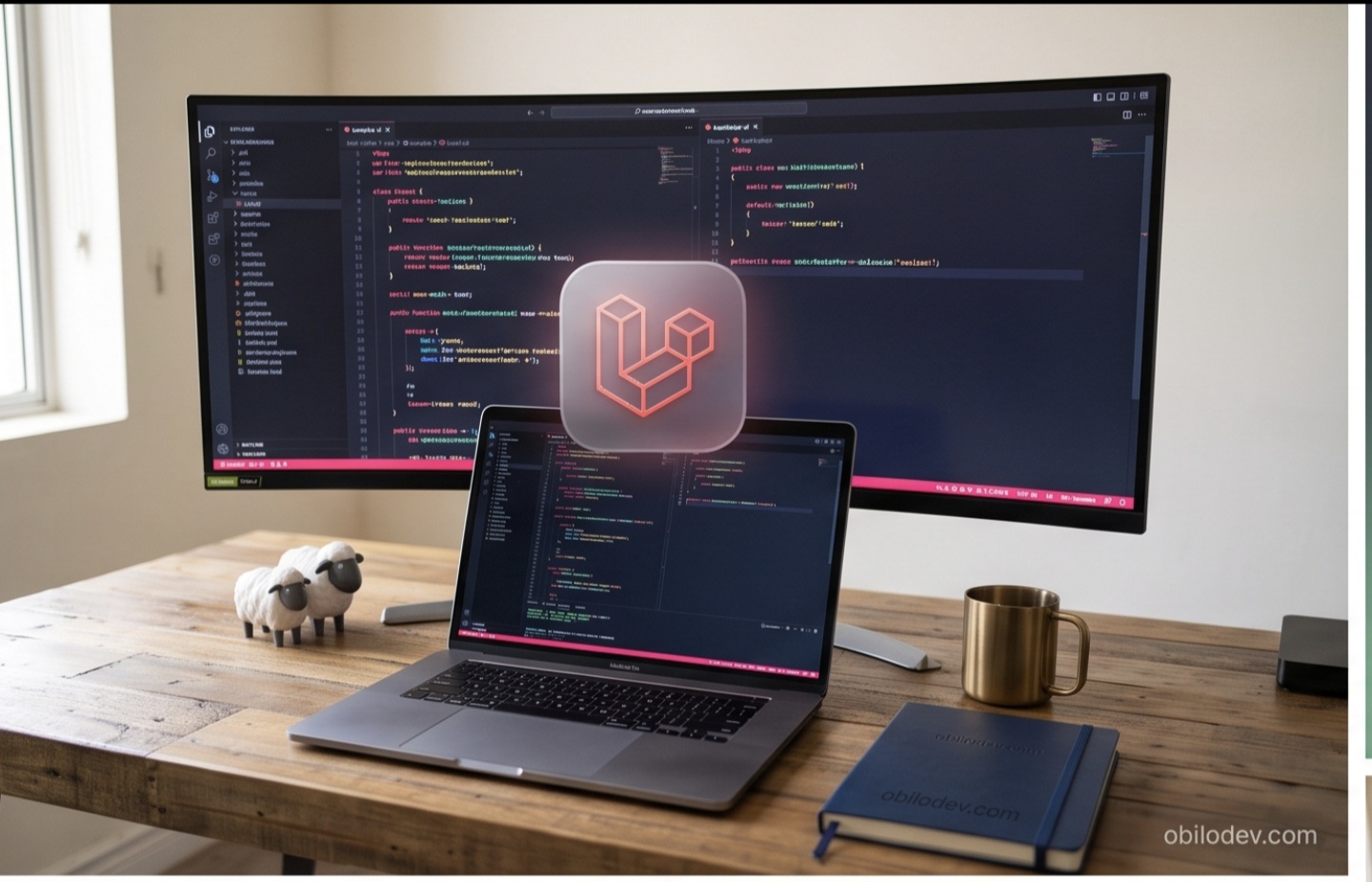
For backend developers, that initiation usually involved wrestling with local environment setups. We’ve all been there: tangled in Homebrew dependency loops, manually configuring Apache or Nginx virtual hosts, symlinking directories until our terminals cried for mercy, and praying that switching PHP versions wouldn't completely break a legacy client project.
For a long time, the barrier to a smooth development workflow was high.
Then came the modern Laravel ecosystem.
Over the last few years, the team behind Laravel hasn't just been maintaining a framework; they’ve been systematically re-engineering the entire developer experience (DX). From deployment to local environments, they’ve made it their mission to eliminate friction.
As a backend developer, watching this evolution has been nothing short of fascinating. Let’s dive into how the local dev stack has evolved, and why the current ecosystem makes PHP one of the most joyful languages to write today.
The Local Evolution: From Valet to Herd
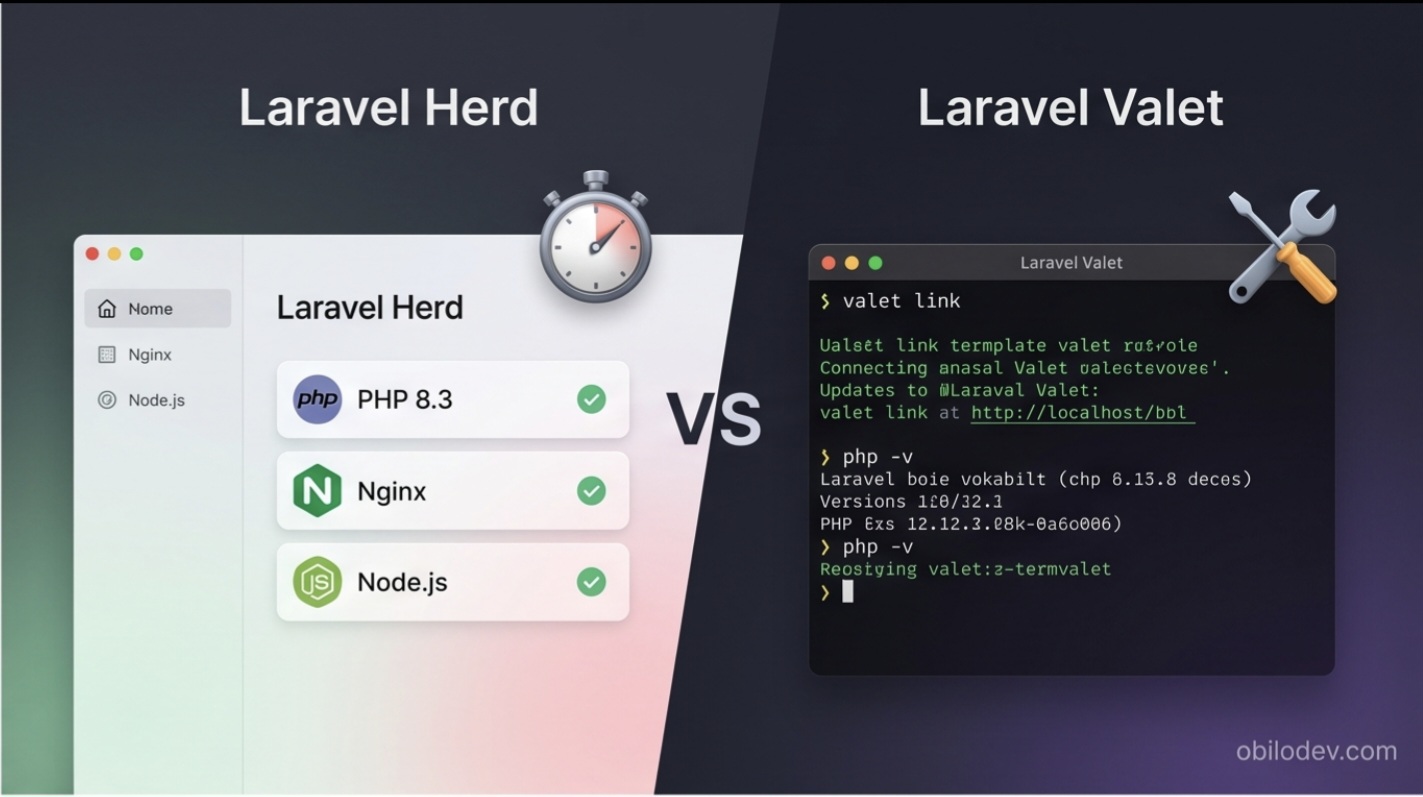
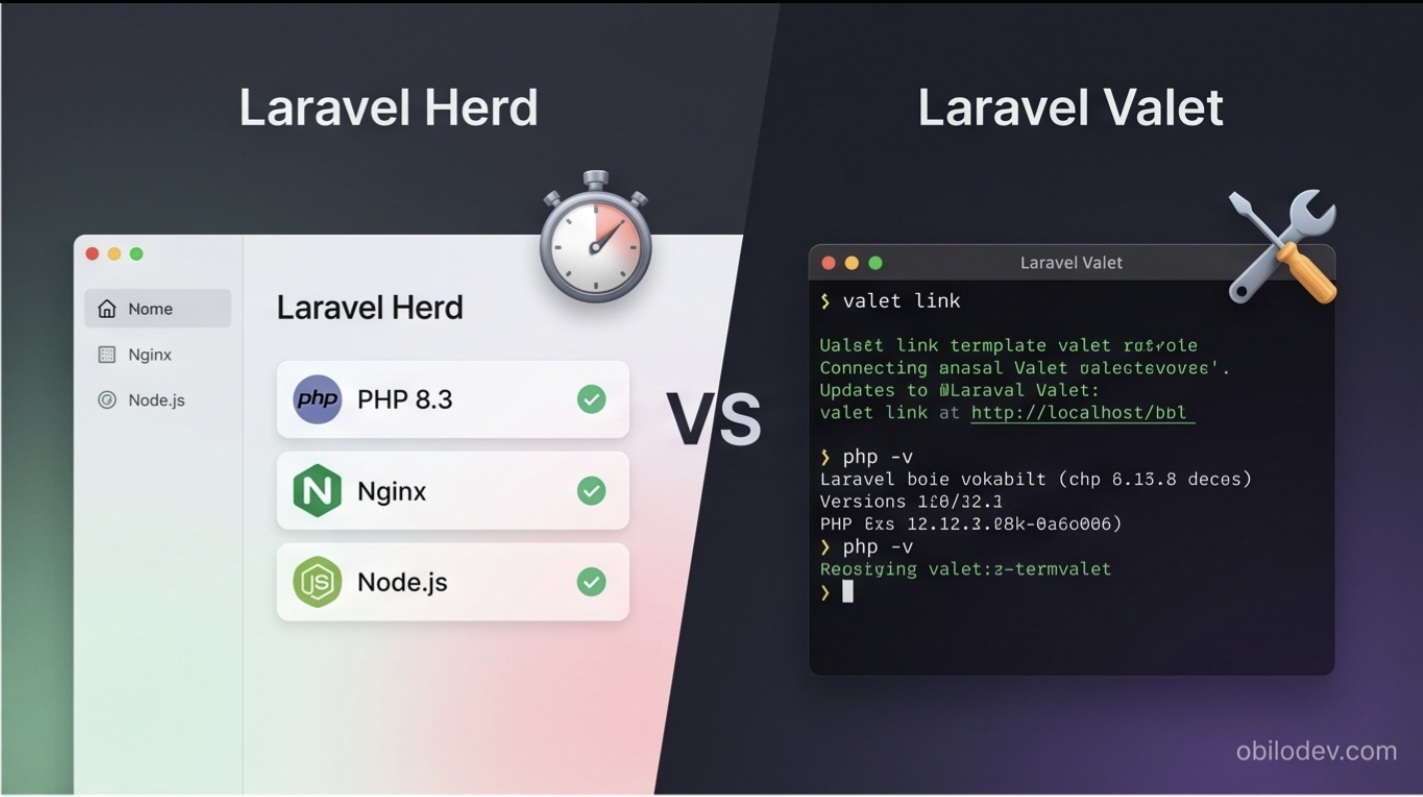
For years on macOS, Laravel Valet was the undisputed king of minimalist setups. It felt like absolute magic when it first dropped. You just typed valet link, and boom—your local directory was instantly serving traffic via a clean .test domain. It was lightweight, fast, and kept your machine free from heavy virtualization.
But even Valet still relied on the underlying system. You still needed Homebrew to manage your PHP versions, extensions, and updates. Every now and then, a major macOS update or a broken formula would throw a wrench in the gears.
Enter Laravel Herd.
When Herd was introduced, it completely redefined what "zero-configuration" means.
If you haven’t tried it yet, Herd is a completely self-contained, lightning-fast PHP development environment. It includes everything you need—PHP, Nginx, dnsmasq, and Node.js—compiled directly into static binaries.
Setting up a brand-new development machine used to take hours. With Herd, you download an app, and you are ready to write code in literally 30 seconds. No Homebrew loops, no background service crashes, and switching between PHP 8.1, 8.2, 8.3, or 8.4 is a single click in a GUI dropdown. The sheer boost to daily productivity and mental bandwidth is massive.
The Paradigm Split: Herd vs. Docker (Laravel Sail)
Of course, the rise of ultra-fast native environments like Herd brings up the classic architectural debate: Native Speed vs. Containerized Parity.
In the modern Laravel world, this usually splits developers into two distinct camps:
1. The Light & Fast Stack (Herd / Valet)
The Vibe: High-velocity development.
Why it rules: Running code natively on your silicon means near-zero latency, instant page reloads, and absolute minimal battery drain.
Best for: Solopreneurs, rapid prototyping, and backend engineers who want their tools to get out of the way of their logic.
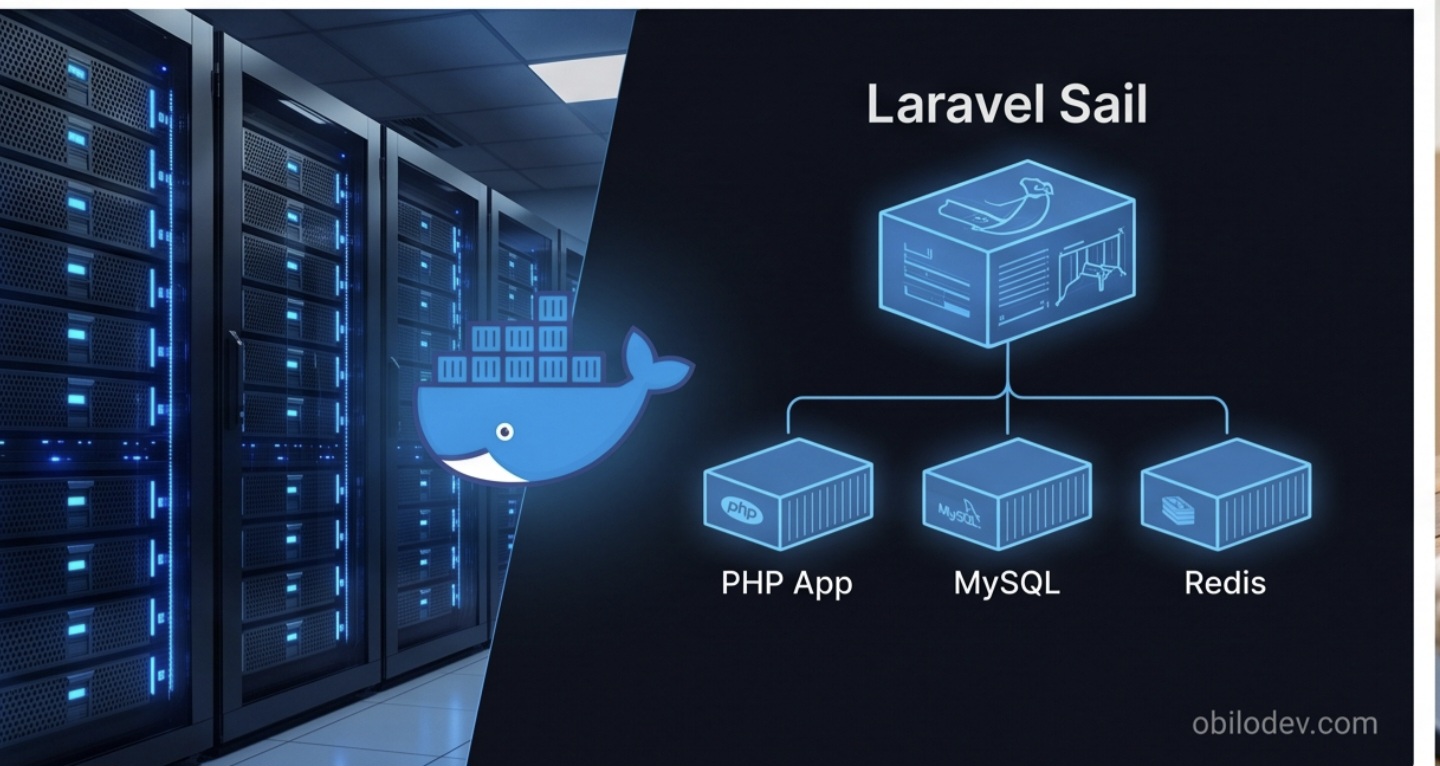
2. The Containerized Stack (Laravel Sail / Docker)
The Vibe: "It works on my machine, and it will work in production."
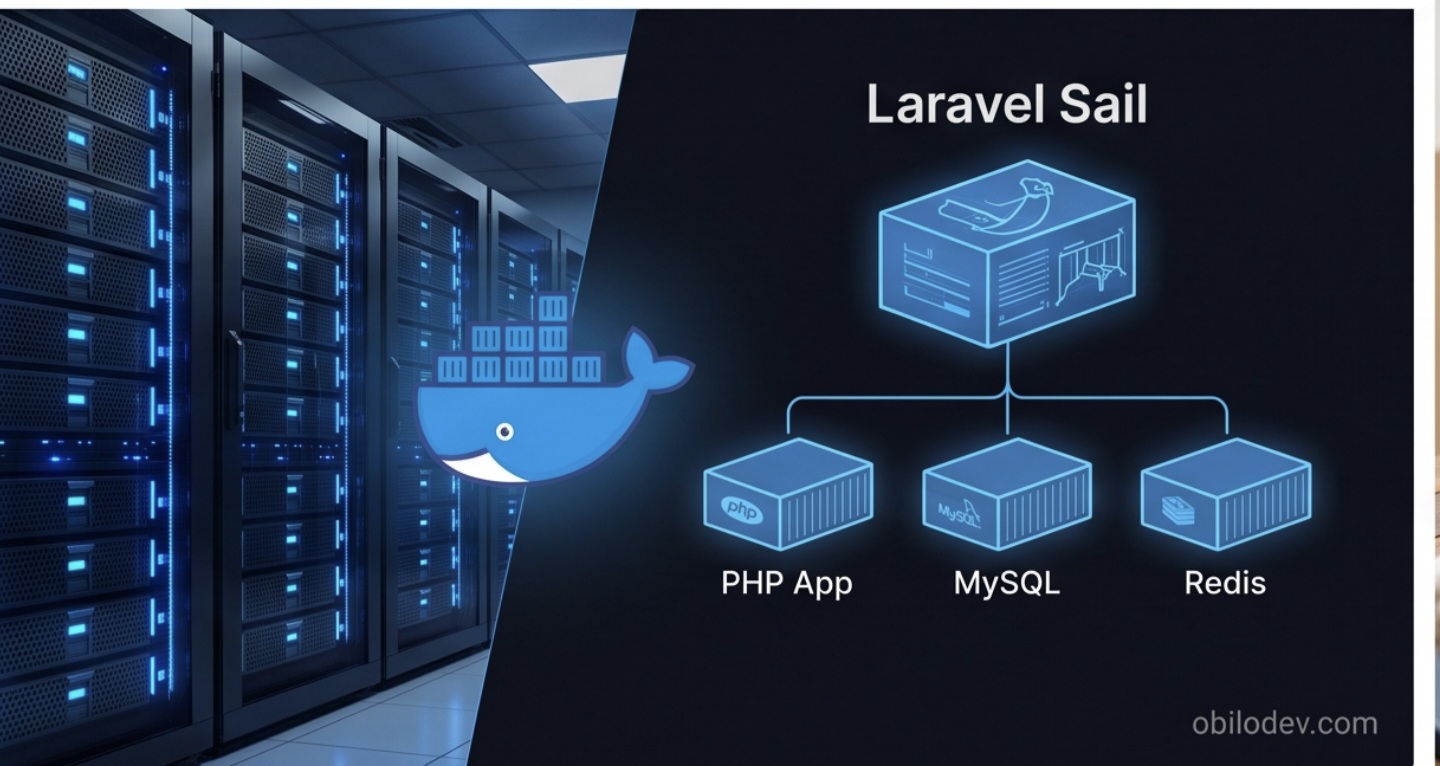
Why it rules: Sail wraps your application, PostgreSQL/MySQL databases, Redis caches, and Meilisearch instances into neat Docker containers. You get absolute environment parity across your entire dev team, regardless of whether someone is on Mac, Windows, or Linux.
Best for: Large engineering teams, complex multi-service architectures, and projects where the production environment needs to be mirrored identically locally.
A Ecosystem Built to Remove Friction
What makes being a Laravel developer so rewarding right now isn’t just the local setup. It’s the fact that the framework provides first-party, production-grade solutions for almost every modern architectural problem:
Need real-time WebSockets without the overhead of Pusher or Node? There’s Laravel Reverb.
Need application performance monitoring without massive third-party costs? Laravel Pulse gives it to you natively.
Need feature flags to safely test code in production? Laravel Pennant has you covered.
The ecosystem treats the developer's time as the most valuable asset in the room. By standardizing the tools around the framework, it eliminates the endless decision fatigue that plagues other modern backend ecosystems.
What’s in your stack?
As backend engineers, our development environment is our workshop. The tools we choose shape how fast we ship, how easily we debug, and ultimately, how much we enjoy the craft.
Whether you are fully riding the Herd wave, keeping it classic with Valet, or keeping your environments strictly isolated with Docker and Sail, there has never been a better time to build on PHP.
What does your current local setup look like, and what ecosystem tool has saved you the most time recently? Let's talk about it - drop a comment or connect with me on X @obioma_onwuka!
No comments yet. Be the first to start the conversation.